République
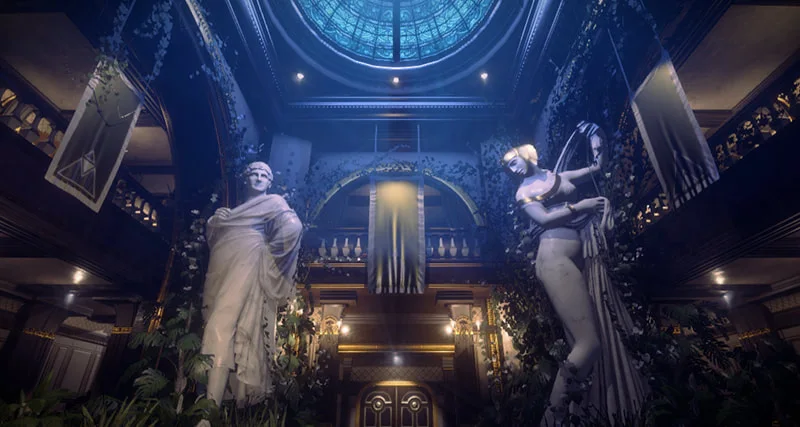
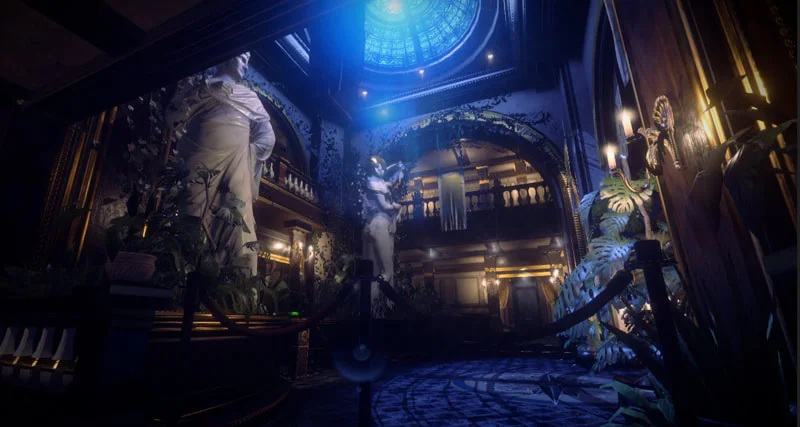
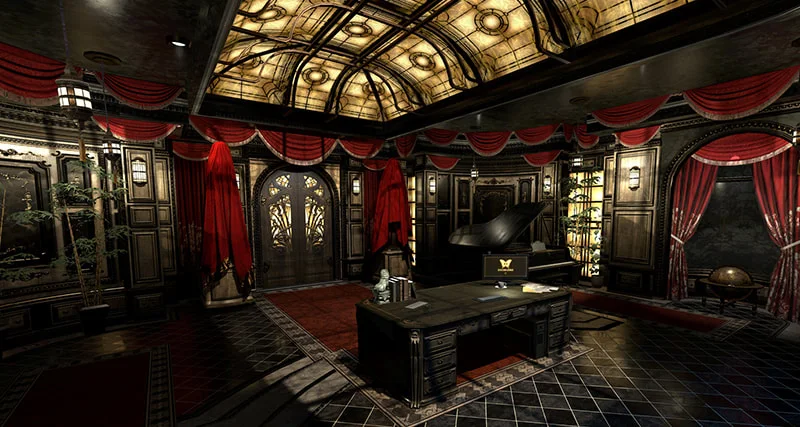
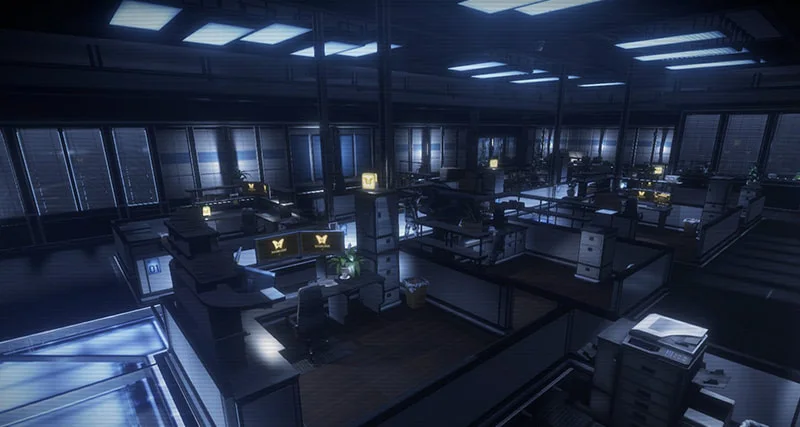
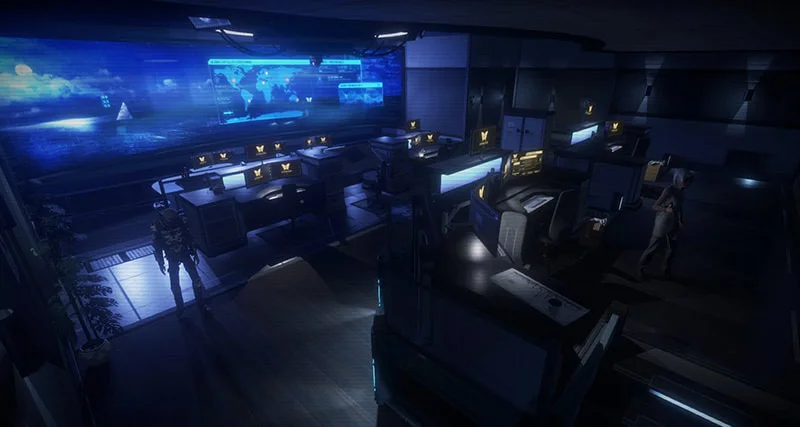
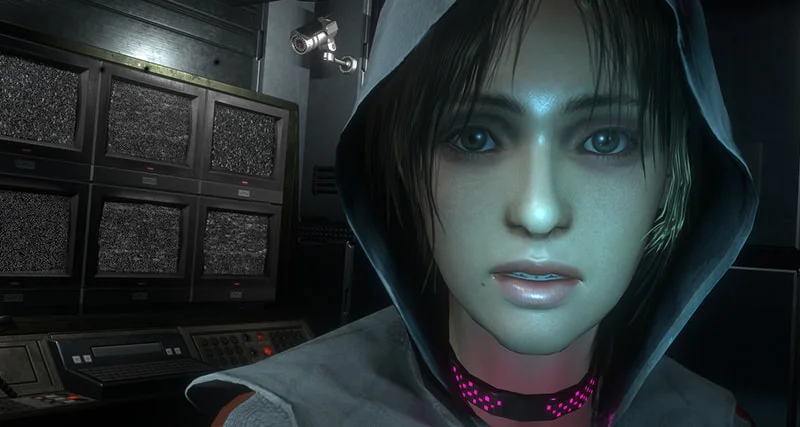
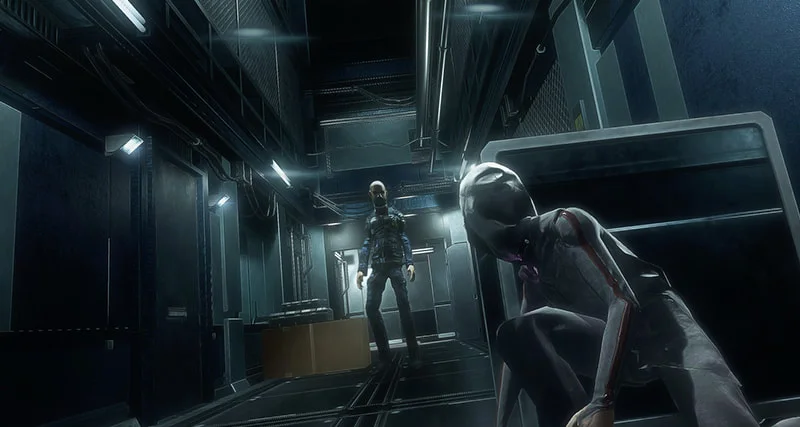
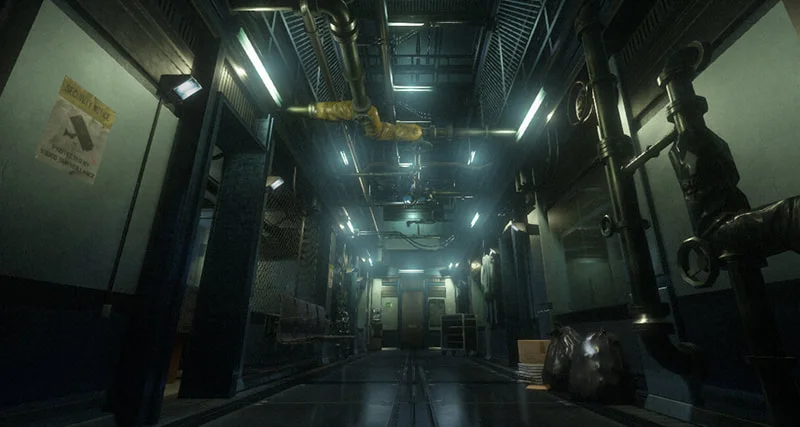
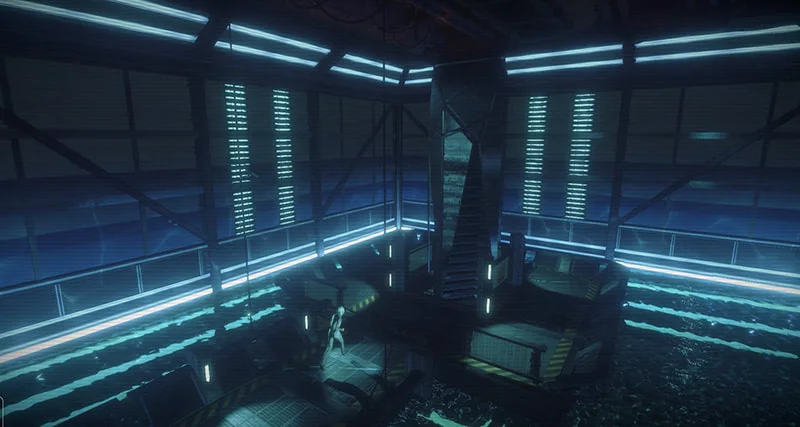
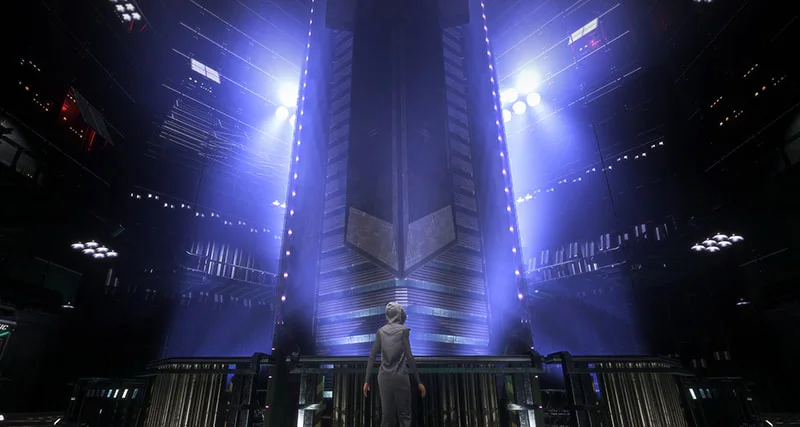
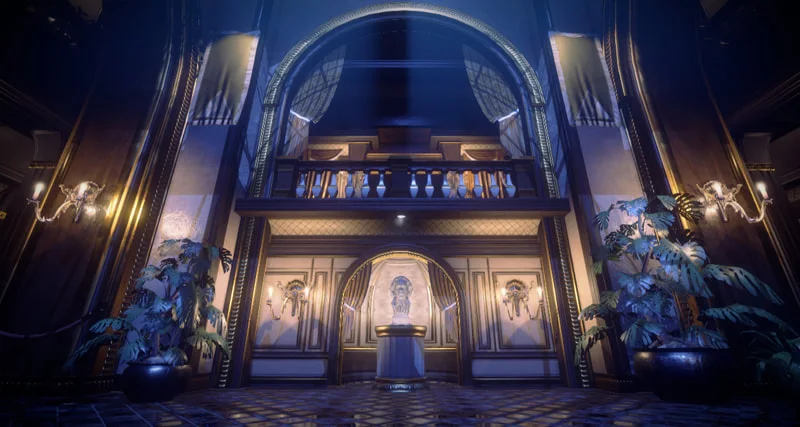
A stealth game about surveillance, rebuilt for Unity 5's physically based shading. I directed the art, built environments and lit the entire game.
- studio
- Camouflaj
- role
- Art Director, Technical Art Director, Environment Lead, Lighting
- first
- One of the first games to fully adopt Unity 5's physically based shading, as an early-access partner
- owned
- Directed, built environments and lit the entire game
- engine
- Unity 5, PBR metal/rough
- tools
- 3ds Max, Marvelous Designer, Substance Designer and Painter, Topogun
- platforms
- iOS, Android, PC/Mac, PS4, Switch; VR on Oculus Go, Quest, PC VR and PSVR
case study · GDC 2015
Remastering République: the journey to Unity 5
The remaster moved the whole game from legacy shading to physically based, metal/rough shading. The first plan was 2,000 materials and 10,000 textures in 40 days with four artists. That was not realistic, so we brought in Blue Papillions as a texture conversion partner. They converted 1,500+ materials and 7,500 textures in about two months. Materials arrived faster than we could review them, which forced us to build a foundation. I presented it at GDC 2015 as "The 5 Fundamentals to Asset Creation."
- original plan
- 2,000 materials · 10,000 textures
- 40 days, 4 artists
- converted with partner
- 1,500+ materials · 7,500 textures
- about 2 months
- texel standard
- 64 px / ft
- 15% margin
- value range
- 20–80%
- compressed saturation and value
- 01
NOD: naming, organization, documentation
Naming conventions such as
m10_met_wall_1m_a_01, a consistent structure from the project root to the scene hierarchy, written documentation and staff training. - 02
Automation through the API
An in-house PBS material converter, material reassignment from 3ds Max and Maya into Unity, a prefab generator and mesh replacement, so artists spent their time on art, not bookkeeping.
- 03
Scale standards and texel density
1 m = 1 m, transforms frozen to 1,1,1, Y-up and Z-forward, never scaled more than 15%. République's standard was 64 px per foot with a 15% margin.
- 04
Synced workflow
Tangent basis matched to Unity through the xNormal Unity plugin or Substance Designer's Unity tangent space, with meshes triangulated before baking. The goal was "correct, not good."
- 05
Compressed saturation and value
Saturation and value kept within a 20–80% range so materials held up under physically based lighting.
Shading built on RUST LTD.'s Alloy framework, with thanks to Anton Hand and Joshua Ols. Blue Papillions team: Paul Varghese, lead artist Sam Thomas, artists Lokesh V, Suresh Babu and Roman Kumam.
In-game · Unity 5 remaster · click any image to enlarge